Pallet Liquidation: Wholesale Solutions
Discovering Profits: The Definitive Guide to Pallet Liquidation
Within the world of retail, pallet liquidation offers a distinct opportunity for financial gain. Entrepreneurs can access a diverse range of merchandise at discounted rates. However, success copyrights on understanding sourcing, quality assessment, and effective resale strategies. Many fall prey to common pitfalls that can threaten their operations. As this article develops, it will highlight essential insights that can turn a basic liquidation purchase into a profitable enterprise. Which approaches will yield the greatest success?
A Complete Guide to Understanding Pallet Liquidation
Pallet liquidation provides a remarkable prospect for people and companies seeking to acquire marked-down merchandise. This process involves the disposal of overstock or returned products, usually arranged in pallets, at substantially discounted rates. Merchants commonly liquidate excess stock to recoup expenses and free up space for fresh inventory. Purchasers can uncover a broad selection of goods, from technology to apparel, which can be sold for a return or kept for personal use.
Comprehending the liquidation process is crucial for potential buyers. It includes examining the condition of items, knowing the current market worth, and establishing the resale opportunities. Additionally, buyers must be familiar with the sale terms, including any limitations or charges. This knowledge enables well-informed choices and maximizes the value of buying liquidated goods. In the end, it provides a budget-friendly avenue for acquiring goods, fostering entrepreneurial opportunities, and supporting sustainable consumption practices.
Locating Trustworthy Pallet Liquidation Sources
Identifying trustworthy sources for discounted pallets is crucial for anyone looking to benefit from marked-down stock. Multiple channels can be used to source these pallets, including wholesale suppliers, liquidation warehouses, and internet-based marketplaces. Established wholesale distributors often develop close ties with manufacturers, enabling them to provide high-quality pallets at affordable rates. Surplus warehouses concentrate on overstock and returned items, offering a wide variety of merchandise. Digital marketplaces, such as auction sites and dedicated liquidation websites, can also act as beneficial channels, permitting shoppers to compete for pallets from a range of retailers.
It is essential to conduct thorough research on possible suppliers, checking reviews and testimonials to gauge reliability. Moreover, touring physical premises can offer valuable insights into the caliber of available inventory. Developing partnerships with dependable suppliers can elevate the purchasing process and secure ongoing access to quality liquidation pallets.
Critical Factors for Assessing Quality in Liquidation Pallets
When examining wholesale liquidation pallets, a detailed visual assessment is critical to spot potential problems. Furthermore, the standing of the manufacturers included in the pallets is a key factor in determining total quality. Being aware of these considerations can significantly impact purchasing decisions and potential resale value.
Visual Examination Methods
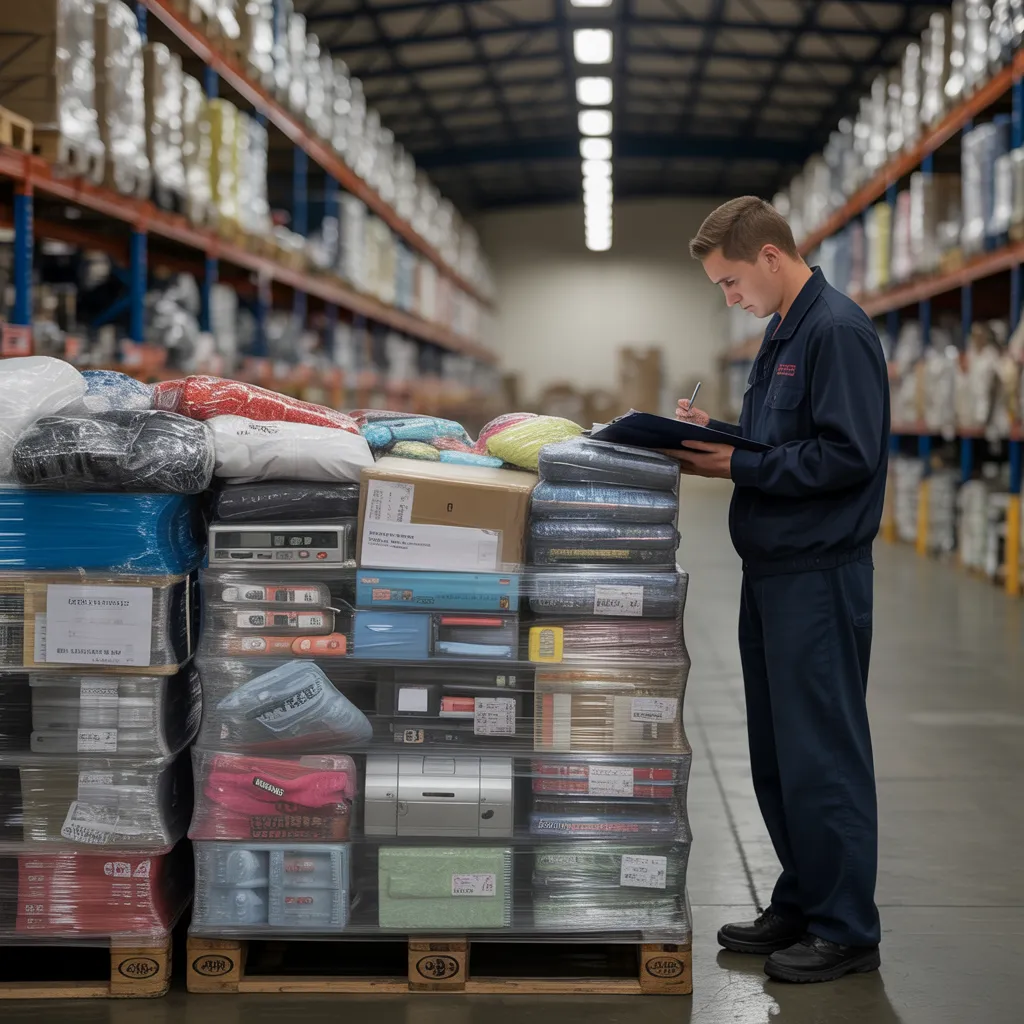
A comprehensive visual assessment can significantly improve the probability of identifying high-value merchandise in wholesale liquidation pallets. Evaluators should start by examining the outer surface of the pallet for any evidence of wear or damage. This encompasses checking for compromised seals, ripped packaging, or noticeable stains, which may signal compromised contents. Following this, evaluating the overall organization of the items can offer clues about quality; well-arranged pallets often indicate better inventory management. Moreover, identifying brand labels and product descriptions can aid in assessing prospective selling value. Buyers should also look for absent parts or attachments that could diminish the value of particular products. By utilizing these visual inspection techniques, buyers can make informed decisions, maximizing their investment in pallet liquidations.
Brand Reputation Importance
Brand reputation plays an essential role in evaluating the quality of liquidation pallets and can considerably affect potential resale value. Buyers must evaluate the brand's position in the market, as established brands typically offer superior products. A respected brand is often linked to dependability and exceptional quality, which can strengthen consumer loyalty and purchasing intent.
Additionally, the manufacturer's track record of customer satisfaction and warranty terms can serve as measures of product quality. Resellers should additionally investigate buyer reviews and feedback on individual items within liquidation pallets. By focusing on reputable brands, sellers can limit risks, making sure that the items they purchase are expected to sell quickly and at a greater profit margin, consequently maximizing their investment in liquidation merchandise.
How to Resell Liquidated Merchandise Like a Pro
Reselling liquidated merchandise necessitates a calculated approach to optimize returns. Critical factors include sourcing quality liquidation pallets, applying smart pricing strategies, and identifying the most suitable selling platforms. Recognizing these components can substantially boost your success in the resale market.
Finding Quality Liquidation Pallets
Exploring the world of liquidation pallets can be a rewarding endeavor for those looking to trade goods. To source quality liquidation pallets, one must focus on reputable suppliers. Established wholesalers and liquidation companies often offer a variety of pallets, ensuring better product quality. Assessing the condition of items within the pallets is essential; inspecting manifest lists can provide clarity on potential value. Connecting with fellow resellers can yield helpful knowledge on trustworthy sources. Additionally, participating in liquidation auctions or industry trade shows can uncover unique opportunities. By emphasizing reliable channels and conducting diligent research, resellers can enhance their inventory quality and increase profits. Ultimately, careful sourcing lays the foundation for effective resale efforts in this competitive market.
Strategies for Resale Pricing
Understanding how to effectively price liquidation merchandise is a key factor in increasing overall profits. Retailers are advised to begin by evaluating the original retail value of items and researching current market trends to identify effective pricing strategies. A widely used strategy includes pricing at between 30% and 50% of the retail value to appeal to purchasers while securing a healthy profit margin. Furthermore, taking into account the state of the merchandise—brand new, reconditioned, or pre-owned—can shape overall pricing strategies. Retailers might consider using tiered pricing structures, providing price reductions on wholesale orders to incentivize bigger sales. Versatility in pricing methods is vital; modifying prices according to consumer demand and seasonal shifts can boost sales performance. Ultimately, honest dialogue about the worth of merchandise strengthens buyer trust and supports long-term business relationships.
Top Selling Platforms
Choosing the most suitable marketplaces is essential for boosting the revenue of surplus goods. Several choices are available, including web-based marketplaces like eBay, Amazon, and Facebook Marketplace, which deliver large customer bases and easy-to-navigate platforms. Niche liquidation marketplaces, such as Liquidation.com, can also be beneficial for attracting purchasers specifically interested in surplus goods. Community-based alternatives, like flea markets or consignment shops, offer opportunities for face-to-face sales and immediate cash flow. Social media channels, especially Instagram and Pinterest, enable sellers to display merchandise attractively, drawing targeted audiences. Understanding the audience profiles and tendencies of each platform's user base can help sellers tailor their strategies, securing greater inventory movement and increased profitability for liquidated items.
Steer Clear of These Common Mistakes in Pallet Liquidation
How does one successfully manage the intricacies of pallet liquidation without succumbing to common mistakes? Many individuals often underestimate the importance of thorough research before making a purchase. Overlooking the state of merchandise or the trustworthiness of suppliers can produce significant financial setbacks. Furthermore, disregarding transportation expenses and logistical planning can diminish earnings, since unexpected charges may surface without warning.
One other frequent mistake is miscalculating the consumer base. Sellers may source merchandise that do not align with consumer demand, leading to slow-moving stock. Additionally, inadequate understanding of regional rules can result in legal complications, especially when redistributing particular goods.
Additionally failing to monitor expenses and sales can hinder the ability to assess profitability accurately. By addressing these issues, people can improve their likelihood of succeeding in the pallet liquidation industry, thereby maximizing their return on investment.
Maximizing Profits With Pallet Liquidation Strategies
Steering through the obstacles of pallet liquidation lays the groundwork for implementing effective strategies to boost earnings. Savvy entrepreneurs often begin by conducting thorough market research to identify high-demand products. Grasping local market demands allows for informed purchasing decisions, ensuring that the pallets purchased contain items with strong resale value.
Moreover, explore this topic leveraging online platforms for commerce can widen audience reach and enhance profit margins. Business owners should focus on optimizing item listings with comprehensive descriptions and high-resolution images to capture the attention of buyers.
Engaging with other professionals in the liquidation industry can deliver meaningful understanding of optimal strategies and prospective collaborations, boosting overall financial performance.
Ultimately, keeping inventory management effective decreases operational costs and limits unnecessary waste. By strategically selecting pallets, optimizing sales channels, and overseeing inventory with precision, vendors can tap into considerable earning potential in the liquidation pallet industry.
Popular Questions Answered
What Product Types Are Usually Included in Liquidation Pallets?
Liquidation pallets typically include a diverse array of products, including electronics, clothing, household goods, and furniture. Retailers often unload damaged items, seasonal merchandise, or surplus inventory through these pallets. Buyers are likely to encounter general merchandise, brand-name products, and occasionally high-value items at substantial savings. The assortment tends to be inconsistent, leading to possible hidden gems or excess products that are difficult to move, appealing to both resellers and bargain hunters alike.
How Much Does a Liquidation Pallet Typically Cost?
Individuals should expect to pay anywhere from $200 to $1,000 on a liquidation pallet, depending on factors such as the type of merchandise, the seller, and the potential resale value. Lower-priced pallets often contain general merchandise, while higher-priced options may include electronics or brand-name items. Purchasers should perform extensive due diligence to ensure they are aware of the market value and potential return on investment prior to completing a transaction.
Are There Particular Seasons That Provide Better Liquidation Deals?
Certain seasons present more attractive liquidation deals, notably after major holidays like Christmas and Black Friday when retailers eliminate extra inventory. Additionally, the end of fiscal quarters often leads to increased liquidation activity as companies aim to lower stock levels. Spring and fall can also offer chances, as seasonal changes encourage retailers to renew their inventory. Consequently, smart buyers tend to watch these times for ideal purchasing opportunities in liquidation pallets.
Is It Possible to Negotiate Prices When Buying Liquidation Pallets?
Certainly, negotiation is often feasible when acquiring liquidation pallets. Purchasers can negotiate with sellers regarding cost, especially if they are purchasing multiple pallets or have developed a working relationship. Vendors may be willing to consider offers, particularly if they are eager to clear inventory fast. Researching market value and coming prepared with data can strengthen a buyer's bargaining power, potentially leading to stronger deals and expanded profit margins.
Which Platforms Are Best for Selling Liquidated Items Online?
The top platforms for selling liquidated items online are Facebook Marketplace, eBay, and Amazon. These platforms provide large audiences and intuitive interfaces, making transactions straightforward. Moreover, websites like Craigslist and OfferUp serve local buyers, improving exposure for sellers. Dedicated liquidation sites, like Liquidation.com, can prove highly effective for targeting niche markets. Utilizing multiple platforms can maximize exposure and increase the likelihood of successful sales.